The miracle of hemp

The plant of the future

Hemp is an extraordinary plant which is gaining worldwide recognition due to its numerous applications and benefits. Utilizado há milénios em diversas culturas, este recurso natural está a emergir como uma solução versátil e sustentável para os desafios ambientais e industriais da atualidade.

Thankfully, though, recognition of the plant as a regenerative, environmentally-friendly crop is once again growing worldwide, and its commercial applications in a range of industries – including sustainable green architecture – are increasing in ever-more creative and innovative ways.

Then…

Hemp was one of the first plants to be cultivated for its fibre, and numerous ancient civilizations have used it for its range of properties, in a religious context and as a raw material for many, many applications. Fragments of hemp cloth discovered in Mesopotamia have been dated back to 8,000 BC, and we know that it has appeared in the documentation of cultures all over the world.

Written records show the Chinese used the plant to produce rope, fishing nets, paper and medicines. Historically, it was listed in official documents along with silk and lead, which demonstrates its value to the society.

In India, where it is known as ‘bhang’, it was revered in the Hindu religion and used as an elixir to promote bravery and resilience in battle; while throughout Africa and the Middle East, hemp also played a vital role. Most notably, hemp fibre ropes were used to haul the mammoth blocks in the construction of the Pyramids of Egypt.

Throughout Europe too, from the Roman age and beyond, the plant has been cultivated for use in textiles and paper products.

Portugal, in particular, has an interesting history of hemp cultivation, where it was used ofr many centuries in the making of durable, salt-resistant sails and ropes for ships.

The powerful Portuguese Empire’s history of exploring, conquering and colonising was based on superiority in navigation, cartography and maritime technology – so it’s no stretch to presume that hemp played an important role. In fact, in the 1500s, King John IV enforced mandatory hemp growing, in order to increase the production for use in the restoration of ships after a war with Spain.

…and now

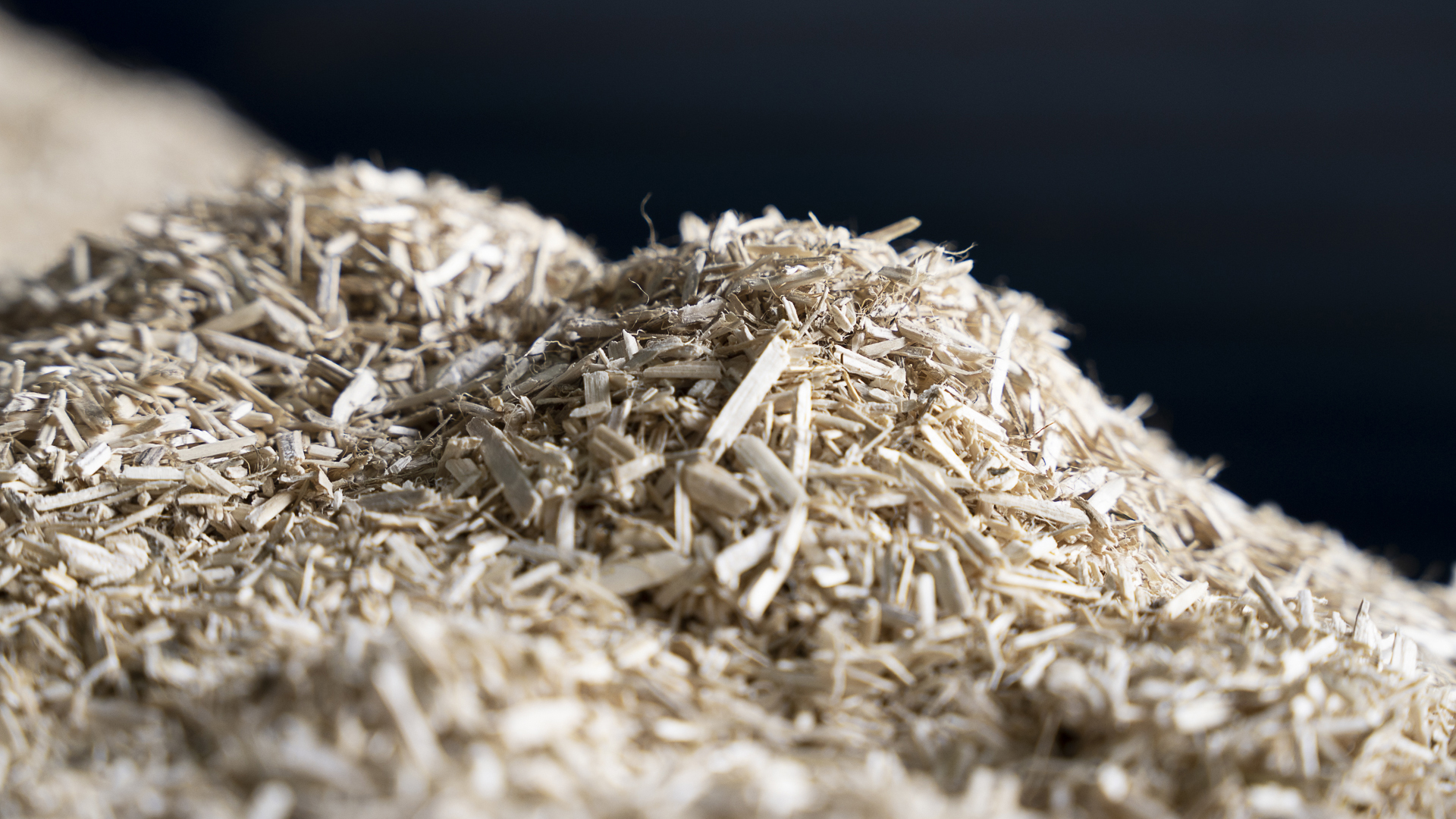
With the world catching on to the incredible properties of the plant, its resurgence is evolving rapidly. Not only is it incredibly eco-friendly as a crop (it’s fast growing, needs no toxic pesticides or herbicides, helps to regenerate the soil, and requires much less water than other crops), it has an estimated 25,000 uses and applications.
Modern uses and applications

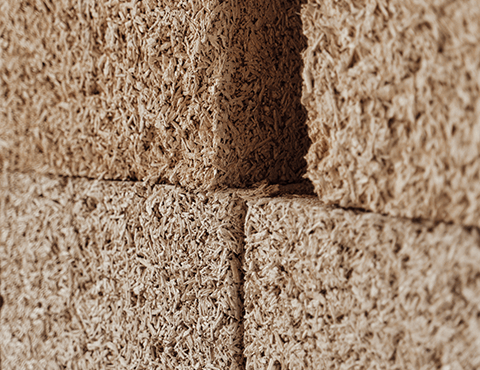
One of the most revolutionary (and potentially the most valuable for the planet) is its place in green architecture, with products like hempcrete building being used in sustainable, eco-friendly builds all over the world.

As an affordable alternative to conventional products, hempcrete offers a high-performing, aesthetic, carbon-negative construction material that guarantees a sustainable, living and breathing home.

As well as the construction industry, many other creative enterprises have already jumped on board the hemp revolution. In the nutraceutical industry it’s being used in a range of food and dietary supplements; in horticulture it’s being used extensively in natural, sustainable products; in industrial design it’s being used for everything from reusable cups to furniture and car parts; and within the pet and livestock industries for natural, sustainable litter and bedding.

Canhamor - Blog - O milagre do canhamo 2

Some of the most impressive (and sometimes surprising!) applications are in products like:

  • Construction materials for building blocks, fibre insulation and insulation panels
  • Biodiesel, a less flammable alternative fuel source
  • Paper, easier to process than conventional paper, more durable and requires fewer chemicals
  • Industrial-made diamonds.
  • Compostable bioplastics for storage
  • ‘Fresco pads’ that prevent food spoilage
  • Animal litter that’s super absorbent and neutralises odours
  • Animal bedding, 100% natural and suitable for use for a variety of animals
  • Spill absorbents; non abrasive for use on hard floors
  • Organic soil for gardening, rich in bio nutrients and provides natural aeration
  • Textiles including ropes and clothing
  • Batteries – there have been promising developments in harnessing the hemp plant to make batteries
  • Car components and even automobile frames

With technology and innovation in a state of constant development around the world, new uses for commercially grown hemp are emerging every day. From its ground-breaking use in hempcrete to facilitate and promote sustainable green architecture, to everyday items that can be produced affordably and with minimal impact to the planet, the sky’s the limit with this miracle raw material that’s not only been a hero of the past, but also for the future. 

Hemp as a Pillar of Sustainability

With ongoing research and development, hemp is positioning itself as a viable alternative for various industries. Its versatility and environmental benefits make it an essential choice for those seeking sustainable solutions. The future of construction, fashion, food, and health can be shaped by this incredible natural resource, promoting a greener and more balanced world.

Stay ahead of the curve in sustainable construction

Sign up for our newsletter and find out how ECOblocks are revolutionising the market. Get updates, exclusive tips and information on products direct to your inbox!

Cânhamor - Newsletter
Loading Please wait
This site is registered on wpml.org as a development site. Switch to a production site key to remove this banner.