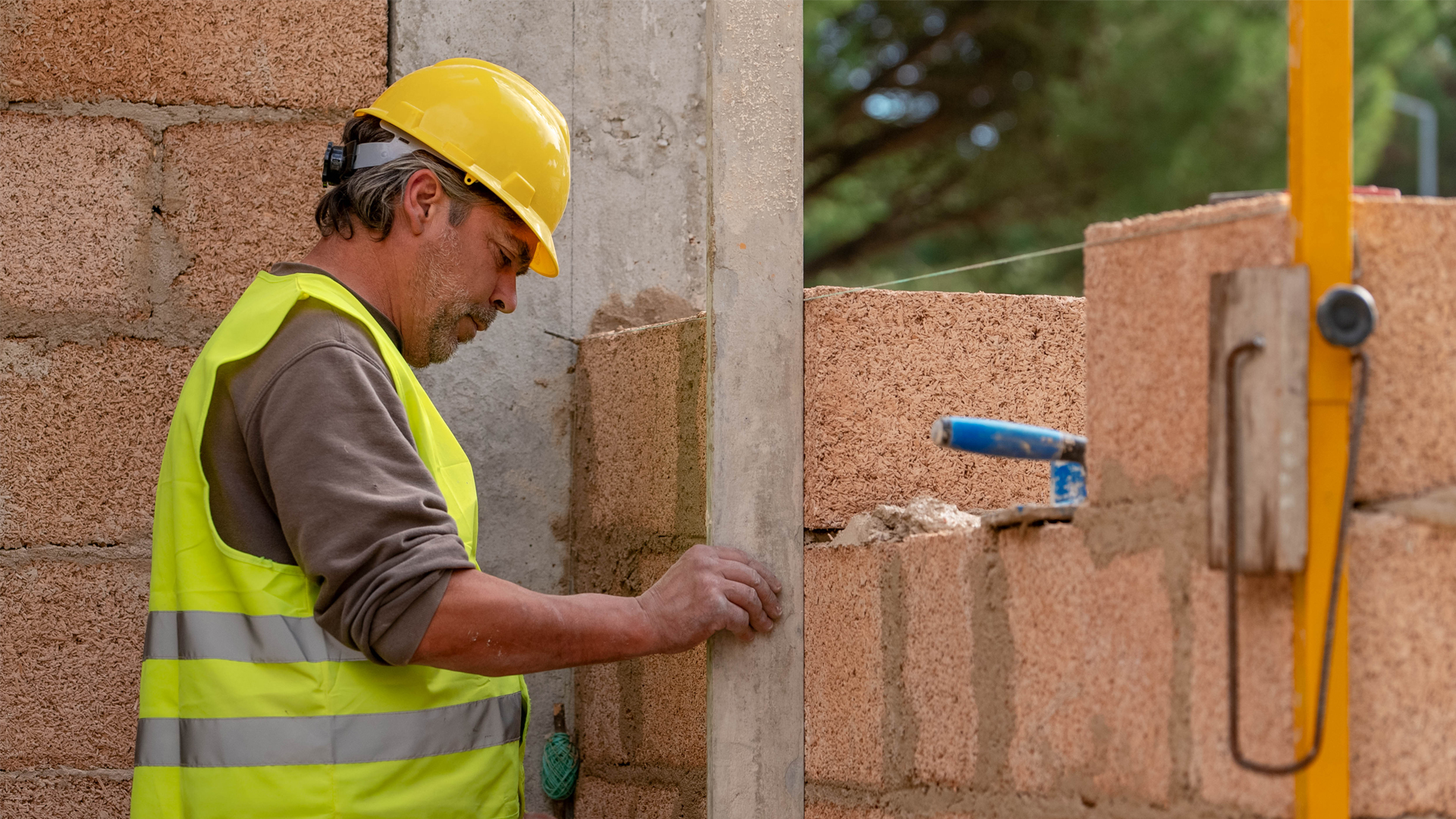
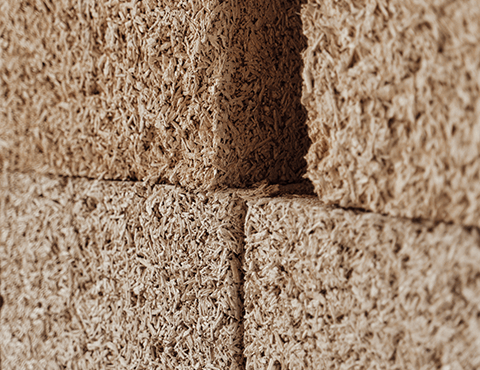
Sustainable construction is a growing trend which aims to minimise environmental impact and promote eco-friendly practices in the construction sector. Among the many options available, hemp emerges as a revolutionary material. Rich in history and potential, hemp is transforming the way we build, offering an eco-friendly, efficient, and durable alternative.
There are many advantages to using ECOblocks and, in a relatively short time, they have revolutionised the construction industry by providing an affordable, high-performance, environmentally friendly product that will continue to benefit the planet long into the future.
Industrially grown hemp is a crop that thrives a range of soils and climates, so is an ideal proposition in the potential supply of locally sourced building materials. Because it’s such a fast-growing crop – usually ready for harvesting after only 3-4 months and for processing about 2 weeks later – its renewable properties make it an excellent alternative to other, more conventional, raw materials.
Hemp blocks are very strong, light in weight and extremely durable, affording the confidence of a high-performing result, not only in terms of aesthetics but also fire resistance, humidity regulation and thermal and acoustic efficiency.
The blocks are produced from limestone and hemp hurd, the inner part of the plant’s stem. The incredible carbon sequestering properties of the hemp plant means that the finished product is actually carbon negative – meaning that the amount of carbon emitted in their harvesting and processing is less than that absorbed during the life and growth of the plant. That’s correct: a 100% carbon negative building material.
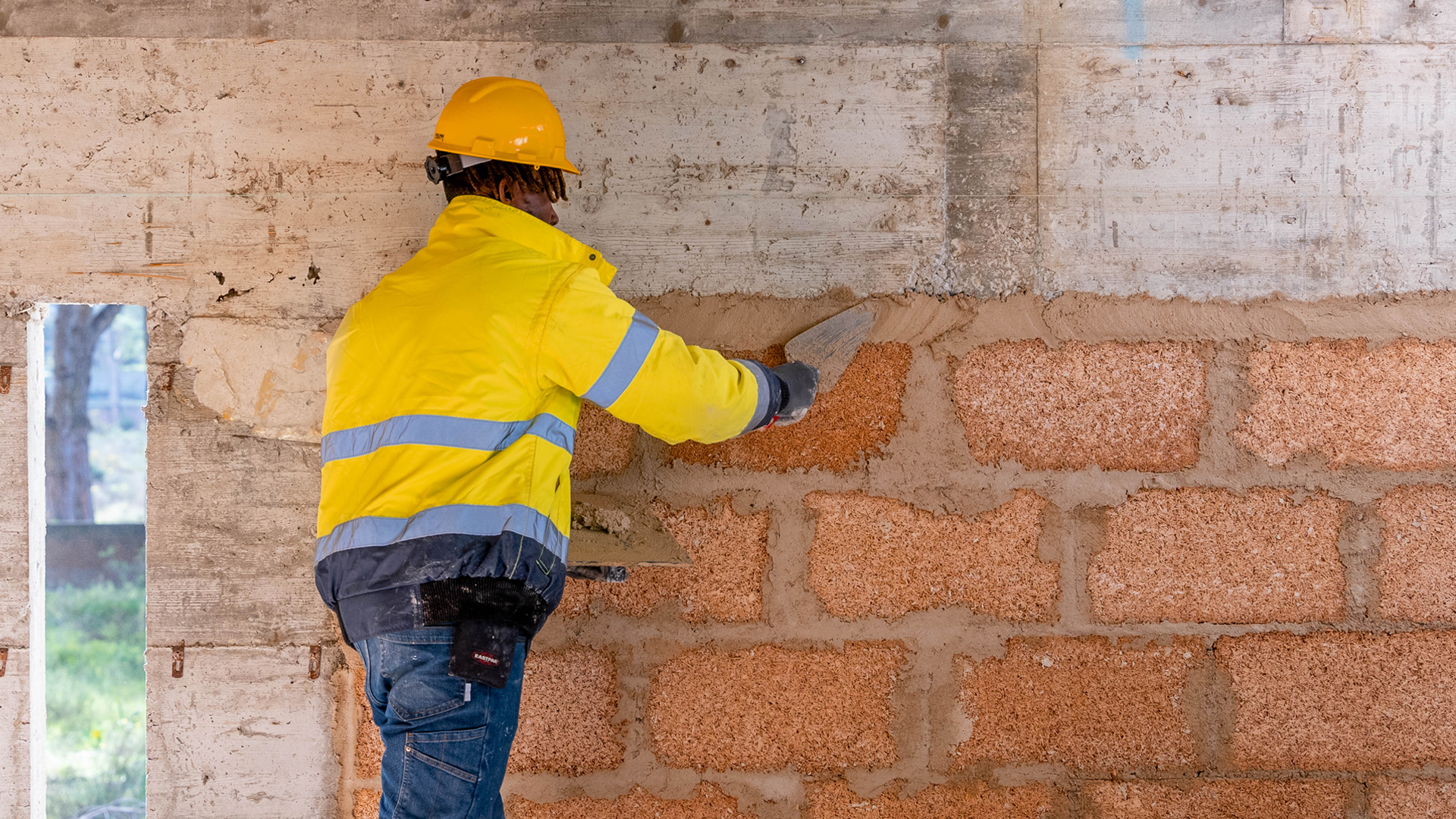
Hemp blocks have brilliant self-regulating insulation properties, which means they are extremely efficient in both heating and cooling – the end result of which is that energy costs of the home will be substantially lower.
The superior level of thermal insulation of using this natural material is almost impossible to match with conventional building materials. For example, if you use a traditional double clay brick wall with an air gap and with 8 cm of cork insulation sandwiched in the middle, you will still only get about 75% of the thermal insulation provided by a single 30 cm hemp block wall.
These bricks also hepl create an environment that promotes healthy living eith the ability to regulate humidity and act as a repellent to mould, bacteria, viruses and other toxins.
Most critically for the construction industry, hemp blocks are naturally fire resistant. You won’t need to add repellants or additional materials to guarantee the safety of your structure.
Rigorously tested and certified ECOblocks are produced in various sizes and widths, which makes them ideal for multiple purposes in the construction of a new home or the insulation (or renovation) of an existing one.
As well as providing an eco-friendly, sustainable building solution in the form of hemp blocks, this highly versatile raw material is also used in a variety of other applications in the construction industry. These include:
Used as both exterior and interior wall cladding, which can offer an alternative to corrugated steel, bitumen, PVC and cement. Can be produced in any size depending on requirements.
Used for safe, touchable, highly effective thermal insulation.
When used as plaster it has a wonderful stucco-like finish that has the added benefits of a protectant sealing finish. It can also be used in benches and countertops.
It can be combined with a lime binder to create a slurry (in the same way as cement) and poured into wooden frames to form a wall, or be projected on the wall for use as insulation.
Building with ECOblocks represents a significant step towards sustainability. While concrete and other conventional materials produce high carbon emissions, ECOblocks offer a carbon-negative and affordable solution.
At Cânhamor, we believe in the transformative power of hemp and work to make sustainable construction more accessible. Get in touch with us and discover how hemp can revolutionize the future of construction!
Please wait